

It’s a familiar scene. You’re trying to get out the door for school, or you’re pulling into the parking lot before practice, and your child suddenly says, “My stomach hurts.” Sometimes it happens at bedtime, right when the lights go out and the house gets quiet.
An anxiety stomachache can feel confusing, because it shows up as physical pain and emotional at the same time. And if you’ve ever wondered, “I don’t think they’re sick…what is going on?” you’re not alone.
Keep reading to learn why anxiety can cause real belly pain (the gut-brain connection), what to do in the moment, how to prevent repeat flare-ups, and when it makes sense to rule out medical issues.
Why Anxiety Stomachache is REAL with REAL PAIN (The Gut–Brain Connection, Explained Simply)
When your child feels anxious, their body treats it like danger. That “danger” can be a math test, a tryout, a sleepover, or a tense group chat. The body doesn’t care. It flips the same internal switch.
During an anxiety stomachache, stress chemicals can change how the stomach and intestines move. As a result, your child might feel cramps, nausea, butterflies, bloating, constipation, diarrhea, or a sudden drop in appetite. Some kids also feel a tight throat, a “lump,” or gaggy nausea that seems to come out of nowhere.
Most importantly, the pain is real. It’s not fake, and it’s not “just attention-seeking.” If you focus only on “stop worrying,” you miss the body part of the problem. Your child’s nervous system needs help settling first, then their thinking can catch up.
At the same time, you don’t want to assume every stomach pain is anxiety. Trust your instincts. If the pain is severe, comes with fever or repeated vomiting, or your child looks unusually ill, treat it like a medical concern and get guidance right away.
For a parent-friendly explanation of this anxiety stomachache and belly link, see the link between anxiety and stomachaches.
What the body is doing during fight or flight
Think of your child’s body like a home alarm system. When it senses “danger,” it blasts the siren. In fight or flight, the brain sends danger signals, then blood flow shifts away from digestion. Muscles tighten, breathing gets shallow, and digestion may speed up or slow down.
That’s why anxiety stomachache can look like:
- Nausea on test day, even with a normal breakfast
- A sudden bathroom trip before a social event
- Stomach cramps after a stressful text or a conflict with a friend
Once the alarm is blaring, logic doesn’t work well. That’s also why lectures and rapid-fire questions often make it worse. Calm the body first, then talk.
If your child has IBS or GERD, anxiety can turn up the volume
If your child already deals with gut sensitivity, anxiety can amplify it. With IBS, stress often connects to cramping and changes in stool. With GERD, stress and certain foods can increase burning, nausea, and that “sour” sensation. Sometimes the feeling of reflux can even mimic panic, especially when it’s paired with chest tightness or throat discomfort.
If symptoms keep returning, partner with your pediatrician. Ask for a plan that covers both sides: the medical piece and the anxiety skills piece. For practical medical guidance questions, you can review IBS treatment in children and bring questions sparked by this information and other sources to your next visit.
When you think of anxiety stomachache “either medical or anxiety,” it’s easier for everyone to get stuck. A two-part plan gives you more options and less guessing.
What to do in the moment when anxiety stomachache hits

In the moment, your job is to be the calm anchor. You can offer comfort without turning the day into a full stop.
Start by keeping your voice calm and your words short. Then help your child shift from alarm mode into “safe enough” mode. After that, choose the next small step. Small is the key word. A huge plan usually feeds the fear.
Also, aim to keep the pattern predictable. If every stomachache leads to staying home, your child’s brain learns, “avoidance works.” Then stomachaches become more and more likely over time.
If you want a quick description of common anxiety stomach sensations, this overview of what anxiety stomach pain feels like can help you put words to what your child reports.
A quick 10 minute reset: validate, regulate, then problem solve
Try this simple flow, whether you’re at home, in the car, or outside school drop-off:
- Validate (1 minute): Name what you see. Normalize it.
- Regulate (6 to 8 minutes): Use one calming body tool. Stick with it.
- Problem solve (1 to 3 minutes): Pick the next tiny step, not the whole day.
A parent script you can keep in your pocket:
“I believe your stomach hurts. Let’s help your body settle, then we’ll choose the next step. We can do hard things in small pieces.”
Avoid long reassurance speeches like “You’ll be fine, nothing bad will happen.” That often buys five minutes, then anxiety asks for more. Instead, give steady confidence: “We have a plan.”
Body tools that calm anxiety stomachache without turning the day into a rescue mission
Pick one or two tools, then repeat them. When you try seven tools at once, it can send the message that the feeling is dangerous.
Here are options many kids, teens, and even young adults tolerate well:
- Counted belly breathing: Inhale through the nose for 4, exhale for 6, repeat for 10 breaths. Longer exhales tell the body to slow down.
- Cold cue: Splash cool water on the face or hold something cool for 30 to 60 seconds. This can interrupt the stress surge.
- 5-4-3-2-1 grounding: Name 5 things you see, 4 you feel, 3 you hear, 2 you smell, 1 you taste. It pulls attention out of the spiral.
- Slow walk: Two to five minutes at an easy pace, even around the driveway, helps discharge stress energy.
- Gentle heat: A warm pack on the belly can loosen muscle tension.
- Peppermint or ginger tea: Only if it’s normally tolerated. If GERD is a problem, peppermint can worsen reflux for some people.
- Small bland snack: If hunger is part of it, try something simple (toast, crackers). Big meals can backfire when the gut is tense.
If bathroom urgency is a fear trigger, make a simple school plan. That might mean a nurse pass, a seat near the door, or a “quiet signal” with a teacher. The goal is access, not escape.
Anxiety doesn’t have to shape your child’s future. If you’re raising a child, teen, or young adult who thinks deeply, feels intensely, or spirals quickly, you’ve likely felt that quiet pull between wanting to comfort them and wanting to truly help. Join 1,000+ parents receiving practical, psychology-backed strategies they can use in the moments that matter most. (Educational content only; not a substitute for professional advice.)

How to prevent anxiety stomachaches over time (and when to get more help)
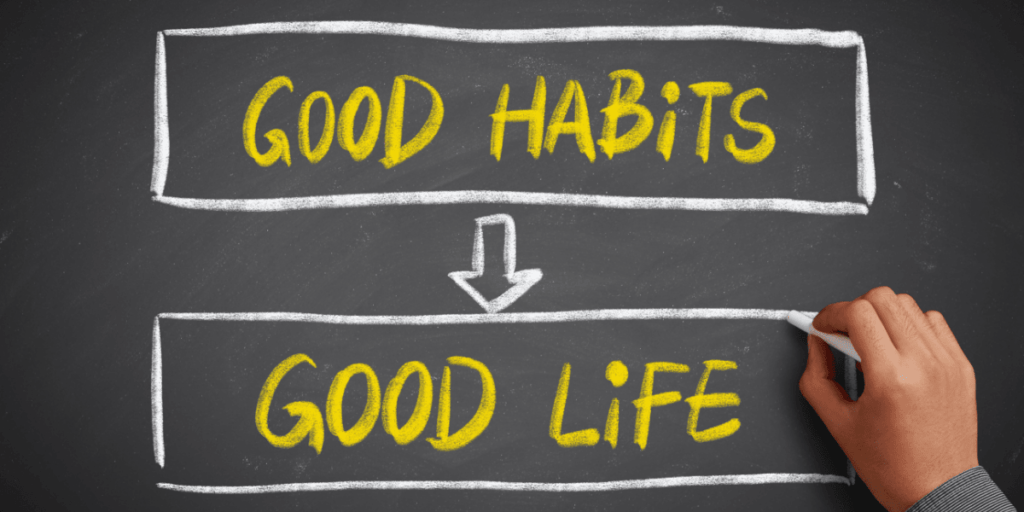
Prevention is less about perfection and more about making the nervous system less reactive. If your child’s body tends to run on empty, stress hits harder. If their day is go-go-go with little down time, their stress-gut response can stay on alert.
You’ll also help most by watching how you respond. If stomachaches always lead to cancelled plans, anxiety learns a powerful lesson. Instead, aim for “support plus forward motion.” That might mean going to school a bit late, attending first period only, or sitting out the first 10 minutes of practice, then joining.
Daily habits that make anxiety stomachache less likely
Pick one or two changes to try this week:
Sleep matters. Keep wake time steady, even on weekends. In the morning, add fuel early, even if it’s small. Hydration helps too, especially for teens who skip water until lunchtime.
If constipation is part of the pattern, talk with your child’s clinician about food and routine. Basic fiber and regular movement can make a difference, but you want advice that fits your child.
Watch caffeine closely. Energy drinks and strong coffee can increase jittery body feelings that kids mistake for danger.
Finally, track patterns for 1 to 2 weeks. Write down when pain happens, what was stressful, what they ate, and what helped. That record is gold for your pediatrician or therapist.
Skills and supports that treat the anxiety, not just the stomach
If anxiety stomachaches are frequent, therapy can help your child learn body and thought skills that reduce symptoms over time. CBT (cognitive behavioral therapy) targets anxious thinking and coping habits. Exposure therapy helps when avoidance has taken over (school refusal, sports avoidance, social fear). ACT (acceptance and commitment therapy) builds skills for making room for feelings while still doing what matters.
It may also be reasonable to ask for school supports that reward coping, not escape. A “calm corner” plus a timed return works better than going home every time. If you’d love to read more about ways to avoid accidentally fueling anxiety, check out our post: What Is the Parent Accommodation Trap? How It Fuels Anxiety—and How to Break the Spiral
Here are reasons to check with a doctor promptly:
- Severe or worsening abdominal pain
- Fever, repeated vomiting, or dehydration
- Blood in stool or black stools
- Weight loss, poor growth, or ongoing loss of appetite
- Pain that wakes them from sleep
- New symptoms, or symptoms that persist despite support
- Your own instincts, if it doesn’t feel right or something just feels different this time, seek help and guidance
Take Aways
When anxiety shows up as stomach pain, it’s often helpful to first make sure you’re not really facing medical issues. If you get the ‘all clear’ that this the stomach pain is mostly due to anxiety, start with regulation, then take the next small step so avoidance doesn’t become the solution. Over time, steady sleep, food, hydration, movement, and anxiety skills can lower how often the belly flares.
This week, try one in-the-moment tool (like longer exhales) and one prevention habit (like a small

J. Oni Dakhari, PsyD
ABOUT THE AUTHOR: J. Oni Dakhari, PsyD, is a clinical and pediatric psychologist who loves languages, is an avid traveler, and finds boundless excitement in the pursuit of knowledge and helping others.
Health Information Disclaimer: Attention Required
No content on this site, or any of the references or links, should ever be used as a substitute for direct medical advice from your doctor or other qualified clinician. The content of the blog, including any references, resources, links, or other shared knowledge, is for informational purposes only. No content whatsoever should be taken as a replacement for medical, clinical, professional advice, diagnosis, intervention, or treatment. Any action or inaction as a result of any content you consume, including within the blog, references, resources, links or other associated knowledge, is done solely at your discretion.
The blog author and associated professionals cannot be liable for any of the consequence of such action or inaction. Accessing or using any of the content of the blog, including any references, resources, links, or other shared knowledge does not create a doctor-patient relationship between the author or associated professionals and you. If you choose to contact the blog author or any associated professionals of Dakhari Psychological Services, LLC to provide personal, medical, or clinical information, this does not create a doctor-patient relationship. It’s crucial to consult with a qualified healthcare provider for individualized advice regarding your health concerns.
Affiliate Disclosure Disclaimer:
Please note this post may contain affiliate links. This means I may receive a commission if clicked at no extra cost to you.