

You probably know the feeling—your next big meeting, pitch, or exam looms ahead and the waiting feels heavier than the event itself. High-performers like you often find that time stretches and nerves spike as the moment approaches, making every hour crawl. This rising stress is a form of anticipatory anxiety, sometimes called the countdown mindset—where anticipation ramps up worry long before the action even begins.
Anticipatory anxiety wears on productivity, sleep and focus, especially when your to-do list is already packed. The good news? It’s common, and it doesn’t mean you’re not prepared or capable. Understandingp why waiting feels so intense can help you respond with greater calm. This isn’t a replacement for mental health support when you need it, but it can give you better tools for daily stress.
Understanding the Countdown Mindset: What Happens As You Wait
As deadlines approach, the wait can start to feel like a storm brewing just out of sight. Even if you’re usually calm, the hours before a big moment—whether it’s something you’re eager for or wishing would just disappear—often bring tight shoulders and restless thoughts. This is the heart of the countdown mindset—the unique brand of stress that ramps up while the clock ticks down. Let’s explore why waiting hits so hard, and why it seems even more intense when you have a packed calendar and a long list of responsibilities.

Why Anticipation Amplifies Anxiety
When you’re waiting for a stressful event—like leading a meeting, taking an exam, or having a hard conversation—your mind can become its own worst critic. Anticipation drives anxiety higher for a few powerful reasons:
- Uncertainty: Not knowing exactly how things will play out creates a mental gap you fill with worst-case scenarios.
- Perceived lack of control: You’re not in action yet, so there’s little to do but wait and worry. This feeling of helplessness turns up the tension.
- Attention narrows: You focus on the event ahead, replaying every possible outcome, which makes waiting feel even longer.
- Physical symptoms: Sweaty palms, a racing heart, and tight muscles often join the parade, making the anxiety difficult to ignore.
- Mental rehearsal shifts negative: While practicing your responses or imagining the moment can help, it can also make your worries grow, especially if you’re picturing mistakes you might make.
Your brain naturally wants to protect you from threats, even social or professional ones. During the countdown period, this protective instinct sometimes overshoots, causing stress that feels bigger than the event itself.
The Countdown Effect in Fast-Paced Lives
For high achievers and professionals, the countdown mindset often feels supercharged. The busier you are, the harder waiting hits.
Think about these common scenarios:
- You’ve prepared for an important presentation, but those last few minutes before you speak feel like hours.
- You’ve studied hard for the exam, but as you sit waiting for it to start, your mind races with every “what if.”
- You send a time-sensitive email or application and spend days refreshing your inbox, each hour of silence feeling heavier.
- Big deadlines stack on your desk, and as your meeting draws closer, you’re locked in a loop replaying what could go wrong.
Our days can full of decisions and forward action. Suddenly having to pause—waiting for feedback, results, or approval—can leave you restless and tense. This is the countdown effect in action. You’re wired to solve problems, so when you can’t, your body and brain shift into overdrive.
Key takeaways:
- Waiting often feels harder than acting because you’re used to moving quickly and fixing things.
- The sense of “doing nothing” during the countdown can leave you feeling powerless, even frustrated, compared to your usual control.
- This tension builds up, often crowding out calm and sleep, even if you know on paper that you’re well-prepared.
Recognizing this pattern is important for your well-being. If waiting regularly feels overwhelming or is starting to affect your daily life, professional guidance can be a helpful next step.
How Your Brain Reacts to Anticipation Versus Action
When the countdown begins, your body and mind don’t just passively wait—they shift gears, ramping up for what’s coming. This switch flips well before you actually do anything. Anticipation and action seem like two sides of the same coin, but your brain treats them very differently. That difference makes the wait feel heavier, especially if you’re used to tackling problems fast.
Fight-or-Flight and the Waiting Game: How Your Body Prepares for the Unknown
You may notice your heart beat faster or your muscles tense as a big event draws near. This is your body’s built-in alarm system priming you for action, an instinct often called “fight-or-flight.”
During the countdown, your body prepares for the unknown:
- Adrenaline surges: Your body releases stress hormones, getting you ready to fight, flee, or freeze—whether the danger is a true threat or just a tough conversation.
- Focus sharpens: You become hyper-aware of everything related to the upcoming challenge. Your thoughts can race or loop, repeating what could go wrong.
- Physical signs: You might feel restless, sweat more, or notice shallow breathing. Sleep and appetite often get disrupted too.
But here’s the twist: most of these changes happen before anything even starts. Your thoughts about the event, not the event itself, sets the stage for how you feel in the hours or days leading up to it.
While waiting, you sit with your thoughts, often imagining every possible problem. Once the moment arrives, your mind switches focus from worry to action. The anxiety of “what if” drops as you start “doing,” even when stress is still present. You move from being a spectator in your own story to a player on the field. This helps explain why the wait bites harder than the challenge itself.
For some, the stress doesn’t ease once the event begins. Instead of settling in and finding focus, the anxiety ramps up. The body slips into fight-or-flight mode—racing heart, scattered thoughts, the urge to escape—making it harder to think clearly or respond calmly. Rather than grounding into the moment, you spiral, caught in survival mode when you most need steady presence.
If the countdown gets in the way of your sleep or wellbeing for days on end, reaching out to a professional can be an important next step. For many, simply knowing why your body feels on edge can take some of the power away from anticipatory stress.
Why Doing Feels Easier: The Power of Engagement
The hardest part is often not the work itself but the long, tense stretch before you begin. Once you step into action, anxiety can loose it’s grip. You shift from imagining every possible outcome to focusing on each task, moment by moment. This is where the power of engagement comes in—a direct way to move out of worry and into presence. If you’ve ever felt your nerves settle the second you start speaking, moving, or working, you’ve tapped into this shift. There’s real science behind why doing almost always feels lighter than waiting.

Flow State: Shifting From Anticipation to Presence
When you begin a task (even if it’s tough), your mind can change gears. The build-up of anxious energy starts to unwind a bit because you are finally taking steps. This is when many people slip into a mental state called “flow.” In a flow state, you’re deeply wrapped up in what you’re doing. That heavy sense of waiting fades, replaced by clear focus and steady attention.
During flow, you lose track of time. Minutes and hours blur together. Instead of replaying possible problems in your head, you focus on each step. It’s like flipping a switch from watching the clock to making progress.
Here’s how starting a task helps you shift from anticipation to presence:
- Attention narrows: Your mind zooms in on what needs to be done right now. There’s less room for worry to push in.
- Feedback is immediate: You see results from your actions, even if they’re small. This sense of movement quiets old worries about what might happen.
- Physical tension drops: Muscles relax, breathing evens out, and your body matches your new mental focus.
- Self-doubt quiets down: Each step forward builds real confidence, which you can feel instead of just thinking about.
- Time speeds up: When you start, you often notice time moving faster as you get swept up in the process.
For many high achievers, taking action brings a sense of control that waiting rarely offers. You reclaim agency, turning from a passive bystander into an active problem-solver. This shift explains why nerves often calm the moment you begin your presentation or write the first sentence of a report.
Even if the challenge is big, the energy spent doing is more rewarding (and usually more productive) than the stress wasted on imagining “what if.”
Sometimes the stress doesn’t fade once you finally step into the event—it actually intensifies. Instead of focusing, your mind races and your body goes into overdrive. That surge of fight-or-flight energy can make it hard to think straight, stay grounded, or respond the way you’d hoped. Rather than finding your rhythm, you feel like you’re bracing for impact.
In moments like these, quick grounding strategies—such as slow breathing, unclenching your shoulders, or focusing on one small, concrete task—can help bring your system back online. These simple tools remind your body that you’re safe and shift your mind out of “escape mode.” If you notice this pattern happening often, or if it’s getting in the way of your daily life, reaching out to a therapist can provide additional strategies and support. Therapy offers a space to practice calming techniques, reframe unhelpful thought patterns, and build confidence so stress doesn’t take the lead when it matters most.
You’re ambitious and already doing a lot—make sure your wellness isn’t an afterthought. Drop your email below to subscribe and get new blog posts with practical, evidence-backed wellness tips you can start using today—no inbox overload, unsubscribe anytime. (For info only; not a substitute for professional advice.)
Practical Strategies to Manage the Countdown Mindset
Waiting can feel like an endless pause in your day—full of restless energy and distractions. When the countdown mindset sets in, it’s easy to spin your wheels but not make progress. The good news is you can use this waiting time productively, keeping your nerves in check and even building confidence before the event arrives. Here’s how you can turn anticipation into preparation instead of letting it drain your energy.
Reframing the Wait: Techniques for Productive Anticipation
Instead of treating those pre-event hours as wasted time, you can turn them into your secret weapon. Simple rituals or routines, even if they’re short, give you a sense of progress and calm. Here are practical ways to shift your focus:
- Break the wait into micro-tasks.
List small, specific things you can do in the lead-up. For example:- Review your notes for ten minutes.
- Set up your workspace so it feels clear.
- Send a final confirmation or reminder message.
- Practice short visualization.
Imagine yourself succeeding in the task ahead. Picture speaking with confidence at your meeting or feeling steady as you enter the exam room. Let this run like a short movie in your mind— stick to positive scenes and direct focus to what you can control. - Move your body.
Walking the hallway, stretching, or doing some quick breathing exercises will help your body let go of extra tension. Movement, even small, sends a signal that you’re not stuck, but instead shifting out of fight-or-flight. - Create countdown rituals.
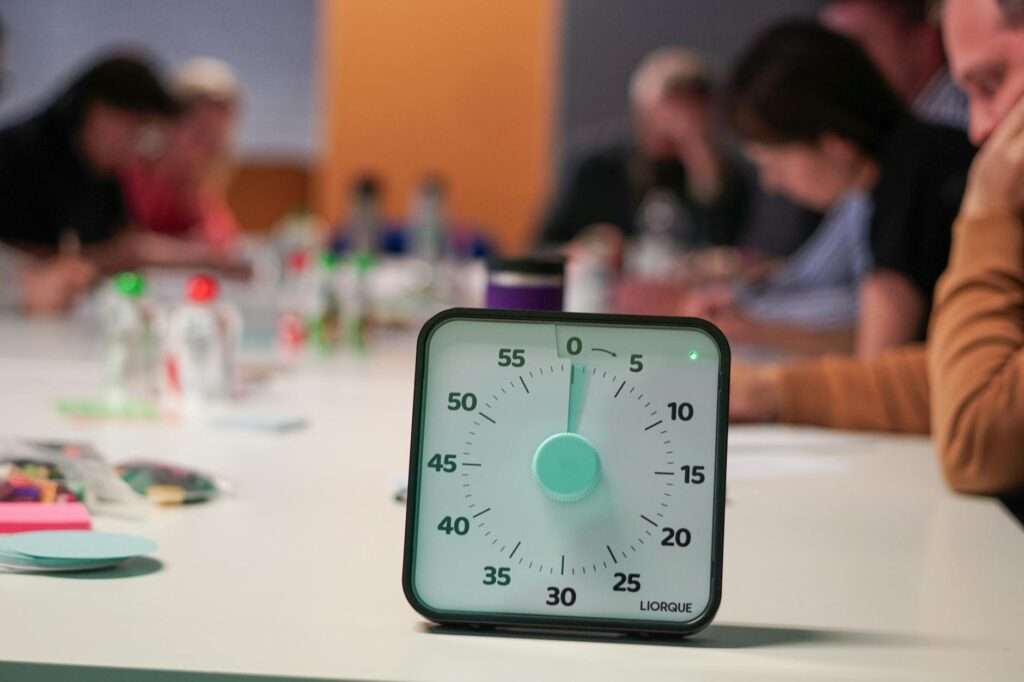
Some people like counting backward in steady intervals or using a timer app. This gives structure to waiting, turning abstract time into short, manageable segments. - Check the facts, not the fears.
When anxiety ramps up, your brain often fills in gaps with worst-case scenarios. To interrupt that spiral, anchor yourself in what you do know.- Jot down quick bullet points of what you’ve already done to prepare.
- Identify familiar aspects of the situation, even if it feels “new.”
- Remind yourself: many so-called “firsts” aren’t truly firsts.
You don’t need to fill every second, but using even a few of these habits reduces anxious energy. Most importantly, remind yourself that preparation happens in small steps, and every step offers relief from the weight of waiting.
Seeking Professional Help
For many, steering anxiety with routines and productive habits works well. You get through the wait, maybe with some nerves, but you arrive ready to act. But sometimes, anxiety piles up so much that it interferes with sleep, focus, daily routines, or activities that need to be completed.
If you notice any of these signs, it might be time to talk with a professional:
- You feel stuck in repetitive dread or worry that you can’t dial down, even with good habits in place.
- Physical symptoms (like headaches, stomachaches, or insomnia) start showing up before events and tasks.
- Anxiety is keeping you from routine activities, work, or relationships.
Reaching out to a mental health professional can provide extra tools, support, and relief. They can guide you through personalized strategies when self-management isn’t enough.
The Big Picture
When you recognize why waiting triggers such intense feelings, you take the pressure off yourself. The countdown mindset makes sense, especially when you feel forced to sit still while stress builds. Anticipation often tightens its grip not because you lack skill, but because your brain has learned to expect the unknown.
You can use this insight to shift from restless waiting to focused action. Simple routines and honest preparation help loosen the hold of anxious energy before important moments. Remember, understanding this pattern puts you in a stronger spot to handle nerves and stay sharp under stress.
Keep an eye on your well-being. If worry ever feels unmanageable, reaching out to a professional is a smart and healthy step.

J. Oni Dakhari, PsyD
ABOUT THE AUTHOR: J. Oni Dakhari, PsyD, is a clinical and pediatric psychologist who loves languages, is an avid traveler, and finds boundless excitement in the pursuit of knowledge and helping others.
Health Information Disclaimer: Attention Required
No content on this site, or any of the references or links, should ever be used as a substitute for direct medical advice from your doctor or other qualified clinician. The content of the blog, including any references, resources, links, or other shared knowledge, is for informational purposes only. No content whatsoever should be taken as a replacement for medical, clinical, professional advice, diagnosis, intervention, or treatment. Any action or inaction as a result of any content you consume, including within the blog, references, resources, links or other associated knowledge, is done solely at your discretion.
The blog author and associated professionals cannot be liable for any of the consequence of such action or inaction. Accessing or using any of the content of the blog, including any references, resources, links, or other shared knowledge does not create a doctor-patient relationship between the author or associated professionals and you. If you choose to contact the blog author or any associated professionals of Dakhari Psychological Services, LLC to provide personal, medical, or clinical information, this does not create a doctor-patient relationship. It’s crucial to consult with a qualified healthcare provider for individualized advice regarding your health concerns.
Affiliate Disclosure Disclaimer:
Please note this post may contain affiliate links. This means I may receive a commission if clicked at no extra cost to you.